
How does a pesilat walk? Perhaps you have never asked yourself this question, or perhaps you have. In any case, knowing the answer is important, because the way you move will determine the effectiveness of your actions, your tread is the foundation on which all movement is built.
In the ancient jungles of Indonesia, Pencak Silat was not simply a martial art, but a way of life in a wild environment. A pesilat’s walk was neither careless nor noisy, each step was silent, firm, and adaptable. In short, they were conscious of every step they took.
I don’t think it’s crazy to worry about the way we walk, even today. Just as our feet are the foundation of our posture, the shoes we wear every day directly influence how our entire body moves. Conventional sneakers tend to have thick soles, narrow toes and rigid reinforcements that limit the natural mobility of the toes and soles. Instead of allowing the feet to expand, adapt to the terrain and act as shock absorbers, they box them in and make them dependent on those same sneakers. Over time, this not only weakens the muscles of the foot, but also affects the knees, hips and spine.
That’s why, from a child’s first steps, it’s essential to give their feet freedom. Walking barefoot at home, on the grass or on safe surfaces allows the sole of the foot to work, balance to develop naturally, and coordination to improve. Walking without barriers strengthens and educates the entire body in a more fluid and conscious movement.
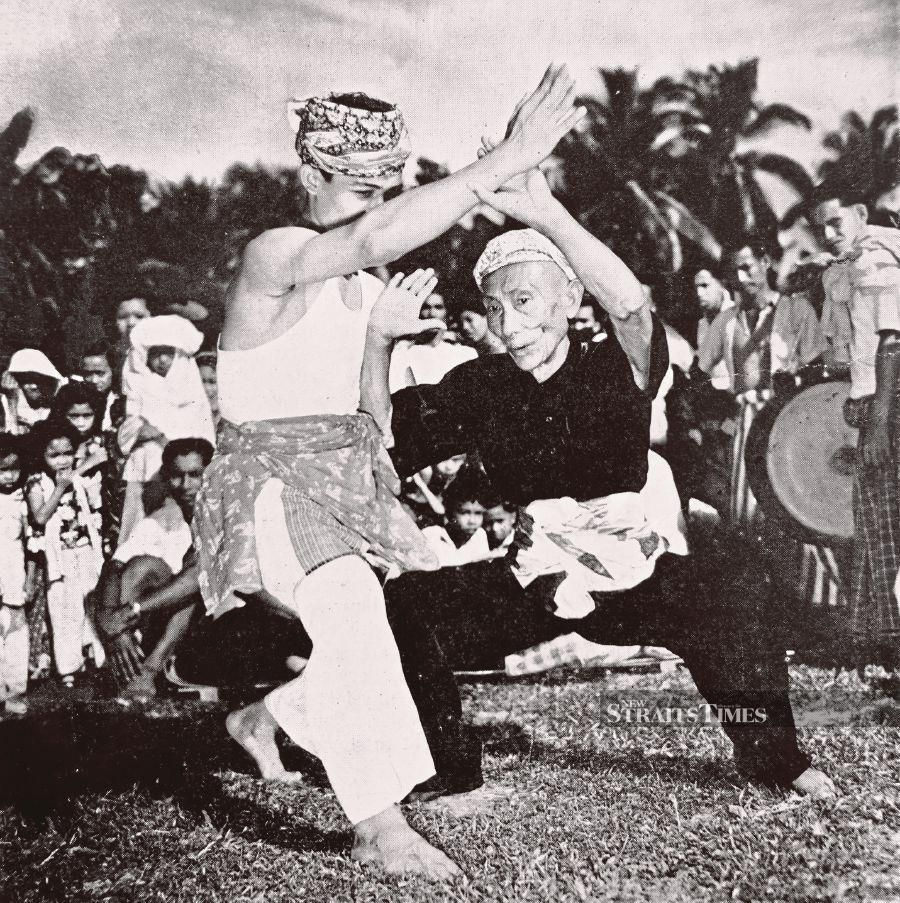
The good news is that today there are shoes designed to mimic the experience of going barefoot. Flexible and lightweight footwear that protects from the elements without compressing or conditioning the shape of the foot. These shoes allow for an authentic stride, allowing the foot to expand with each step and the muscles to work as they would naturally. Fortunately, this type of footwear is becoming the most common choice.
The good news is that nowadays there are shoes designed to mimic the experience of walking barefoot, known as barefoot shoes. These shoes are flexible and lightweight, protecting the foot from external elements without compressing or restricting its shape. They allow for an authentic gait, allowing the foot to expand with each step and the muscles to work as they would naturally. Fortunately, this type of footwear is becoming the most common choice for children’s shoes.
This form of free walking is what every pesilat should strive for.
The foot never drops, the stride is built in three phases:
- Place the metatarsal or outer edge: first contact, light and silent.
- Secure the step: stabilize without yet bearing full weight.
- Place fully: heel and sole, providing firmness and connection to the ground.
This process allows you to move smoothly but with control. It will enable you to be light on your feet, make quick changes of direction at any time, and at the same time have enough stability to “ground” yourself.
In addition, it is very common for these steps (which are achieved through constant training) to form triangles between them, allowing for stability and movement at the same time, as long as the feet are not too close together or too far apart. Balance must always be accompanied by the ability to move in any direction. But keep this in mind: “walking” must be trained at all heights, atas, tengah, bawah, even working on weight distribution and hand support when required.
This type of movement is reminiscent of the animals that inspired the Pencak Silat schools. The stealth of the tiger, which first places the tips of its paws on the ground before shifting its entire weight, the agile monkey that never stays still, or the snake that changes direction unexpectedly.
We could say that walking in Silat is an art in itself, not just a means to get from one point to another; it is part of the strategy. And although today we do not practice Silat in the jungle, but on a tatami mat or any other type of floor, the spirit of the pesilat in the ancient jungles lives on, walking lightly but firmly, silently but prepared, always ready to respond to the unexpected.
– Xabier –